





 Login/Register

Common Sports injuries and how to prevent them.
 Nov 5, 2024
Unlike regular people, the joints of a sportsperson have to carry not only his or her body weight but also the weight of hopes and dreams. Sometimes it's not only one’s own hopes but the expectations of an entire nation as well. The bones, and muscles of athletes endure immense strain as they strive to achieve their dreams and bring glory to their country. However, the physical toll of sports can sometimes lead to injuries that threaten not just the body but also a promising career.
One of the most notable examples is that of the great Sachin Tendulkar, whose career was nearly derailed by a tennis elbow injury in the early 2000s. Tendulkar’s relentless spirit and dedication to rehabilitation allowed him to overcome this setback, but his story is a reminder of how crucial it is for athletes to be aware of common sports injuries and the measures that can be taken to prevent them.
Common Sports Injuries and How to Prevent Them
1. Cricket: Rotator Cuff Injuries and Tennis Elbow

Cricket, the most beloved sport in India, often leads to injuries involving the shoulder and elbow. Bowlers, in particular, are prone to rotator cuff injuries due to repetitive overhead motions. The rotator cuff is a group of muscles and tendons that stabilise the shoulder joint, and damage to these can severely impair an athlete's performance.
Prevention: Proper warm-up exercises and shoulder strengthening routines are essential for preventing rotator cuff injuries. The Dyna Shoulder Support provides excellent compression and warmth to the shoulder, reducing the risk of injury during intense matches or practice sessions.
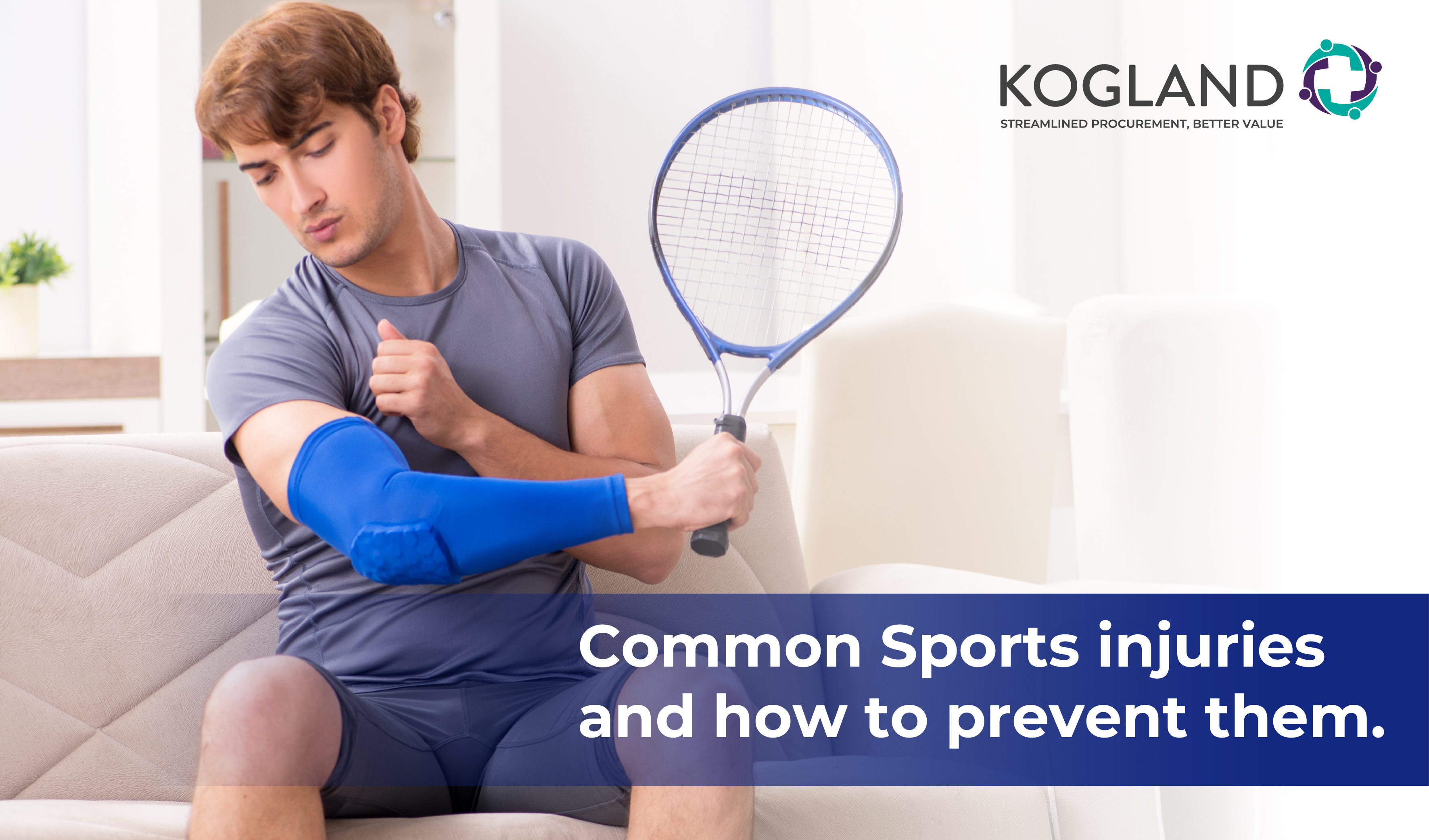
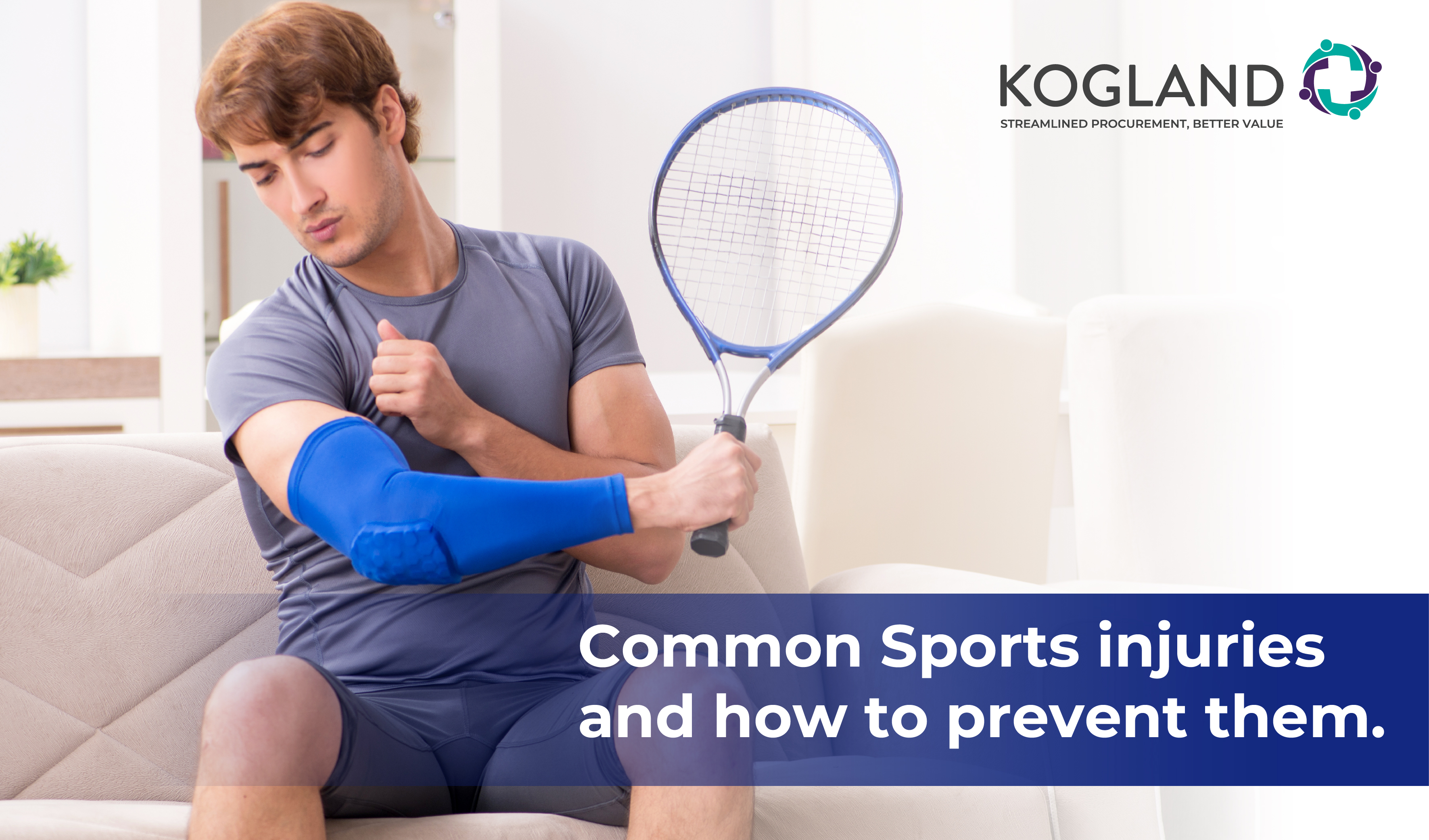
Another common issue is tennis elbow, which, despite its name, affects cricketers as well, especially those who frequently bowl or bat. Tendulkar himself struggled with this condition, which involves inflammation of the tendons that join the forearm muscles to the elbow.
Prevention: Ensuring proper technique and using equipment that reduces strain on the elbow can help prevent this injury. In case of early symptoms, using a Dyna Elbow Support can provide the necessary support and reduce the risk of worsening the condition.
2. Football: Ankle Sprains and ACL Tears
Football players are particularly vulnerable to ankle sprains and anterior cruciate ligament (ACL) tears. Ankle sprains occur when the ligaments that support the ankle stretch beyond their limit or tear, often due to sudden twists or impacts.
Prevention: Ankle strengthening exercises, proper footwear, and ankle braces are crucial for prevention. The Dyna Ankle Support is designed to provide stability to the ankle, reducing the risk of sprains during high-impact activities.
ACL tears, on the other hand, are severe injuries that can occur when an athlete suddenly changes direction or lands awkwardly. This injury can take months of rehabilitation and sometimes surgery to heal.
Prevention: Regularly performing exercises that strengthen the muscles around the knee, particularly the quadriceps and hamstrings, can help prevent ACL injuries. For those recovering from an ACL injury, the Dyna Knee Cap provides additional support, aiding in the rehabilitation process.
3. Badminton: Achilles Tendonitis and Patellar Tendinitis
Badminton, known for its rapid movements and agility, can often lead to injuries such as Achilles tendonitis and patellar tendinitis. Achilles tendonitis is the inflammation of the tendon that connects the calf muscles to the heel, while patellar tendinitis, also known as jumper's knee, affects the tendon connecting the kneecap to the shinbone.
Prevention: Stretching and strengthening exercises focusing on the lower leg muscles can reduce the risk of these injuries. Using the Dyna Resistance Band can be an effective tool for strengthening exercises, as it allows for controlled and progressive resistance training. Additionally, the Dyna Ankle Traction can help in managing symptoms by providing the necessary traction and support during recovery.
4. Athletics: Stress Fractures and Shin Splints
Athletics, encompassing a wide range of track and field events, often subjects athletes to stress fractures and shin splints. Stress fractures are tiny cracks in the bones, often caused by overuse, while shin splints refer to pain along the inner edge of the shinbone.
Prevention: Gradually increasing training intensity and ensuring proper nutrition, especially calcium and vitamin D intake, can help prevent stress fractures. The Dyna Leg Traction Belt can provide support during the recovery phase by reducing strain on the affected area. For shin splints, wearing the right footwear and performing strengthening exercises for the lower legs can significantly reduce the risk.

The Role of Healthcare Providers in Supporting Injury Prevention and Rehabilitation
Healthcare providers play a pivotal role in both the prevention and rehabilitation of sports injuries. In India, where access to specialised sports medicine may be limited, especially in rural areas, primary care physicians and physiotherapists must be well-versed in the latest injury prevention techniques and rehabilitation protocols.
Regular screening of athletes, educating them about proper techniques, and ensuring they have access to the right support equipment, such as the Dyna Elastic Shoulder Immobilizer for shoulder injuries or Dyna Arm Sling Pouch for forearm support, can significantly reduce the risk of injuries.
For athletes recovering from injuries, a structured rehabilitation program is crucial. Products like the Dyna Physical Resistance Band are excellent for gradually rebuilding strength without overstraining the injured area. Healthcare providers should also work closely with athletes to monitor their progress and adjust their rehabilitation program as needed.
Sports injuries are an inevitable part of an athlete’s life, but with the right knowledge, preventive measures, and support, they do not have to be career-ending. As we continue to celebrate the achievements of our sports heroes, let us also commit to supporting them with the best practices and products to keep them at the top of their game.




 Sign in with Google


Additional information required