




 Login/Register

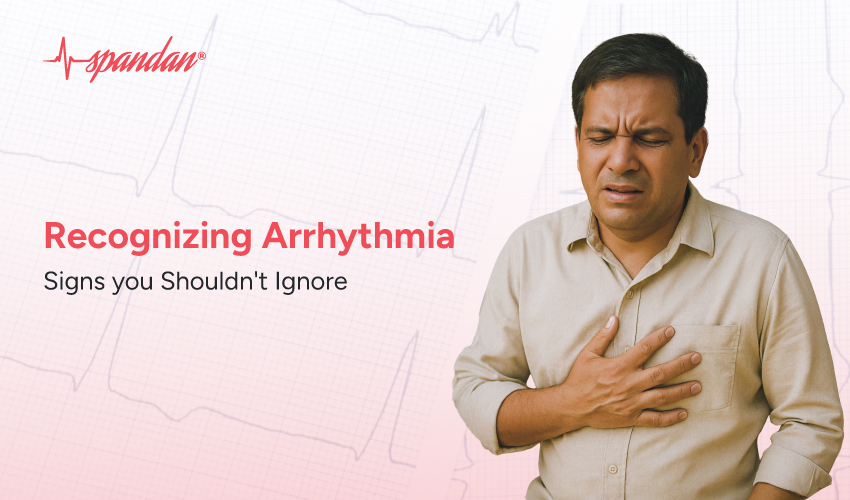
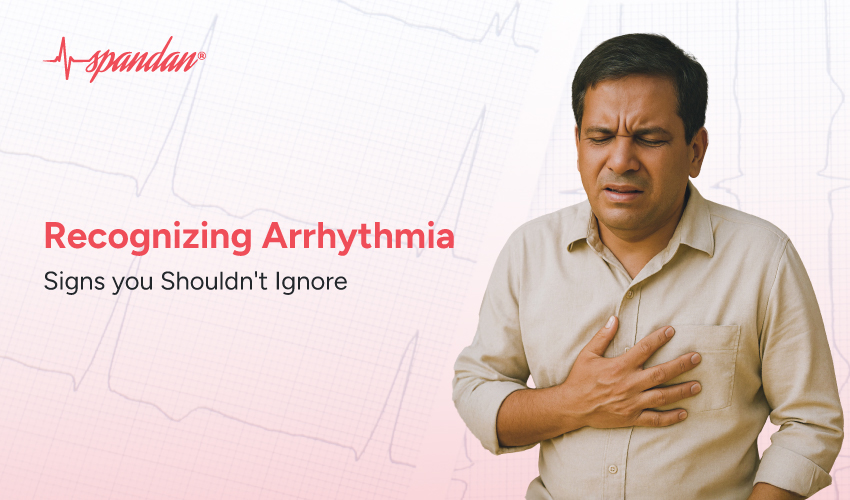
Recognizing Arrhythmia: Signs you shouldn't Ignore
 Jun 24, 2025
Our heart is the main powerhouse of our body; it keeps working day and night without rest, but sometimes there are electrical misfires in the heart, which can cause the heart to beat irregularly and cause arrhythmia. There are different types of arrhythmias, some are harmless but others can put your life in danger. In this blog, we’ll be exploring signs of arrhythmia, causes, and how it can be detected.
What is Arrhythmia?
Arrhythmia can be defined as irregular heart rhythm; it might be beating too fast, too slow, or may have an irregular pattern. Your heart has a natural electrical system that controls the timing of your heartbeat. When this system is disturbed, it can cause arrhythmia, sometimes, it’s so mild you may not even notice it. but if it's life threatening it can cause numerous problems like chest pain, dizziness, or even cardiac arrest.
Types of Arrhythmias
There are various types of arrhythmias; understanding them can make you aware of how serious the condition might be.
1. Tachycardia
It can be defined as when your heart beats more than 100 beats per minute.
- Supraventricular Tachycardia (SVT) – Fast heartbeat from the upper chambers.
- Ventricular Tachycardia – Fast rhythm from the lower chambers, often more dangerous.
2. Bradycardia
This is when your heart beats slower than normal, under 60 beats per minute.
- It can make you feel tired or dizzy due to a lack of oxygen-rich blood.
3. Atrial Fibrillation (AFib)
A common and serious type where the upper chambers beat irregularly.
- Increases the risk of stroke and heart failure.
4. Premature Contractions
- Extra heartbeats that can feel like your heart “skipped a beat.” Often harmless, but frequent occurrences need checking.
What causes Arrhythmia?
Arrhythmia can be caused by many factors. Some are lifestyle-related, others are medical.
- Heart conditions (e.g., coronary artery disease, heart attack)
- High blood pressure
- Diabetes
- Smoking
- Excessive alcohol or caffeine
- Stress or anxiety
- Over-the-counter or prescription medications
- Electrolyte imbalance
- Genetic factors
Warning Signs you shouldn’t Ignore
Sometimes arrhythmias come without symptoms. But often, your body tries to signal that something’s wrong.
Common symptoms include:
- Fluttering in the chest
- Pounding or irregular heartbeat
- Slow heartbeat
- Chest pain or discomfort
- Shortness of breath
- Dizziness or lightheadedness
- Fainting (syncope) or near-fainting spells
- Fatigue or weakness
If you notice these signs often, it’s important not to ignore them. Getting an ECG (electrocardiogram) test can help identify the issue quickly.
Why Early Detection Matters
Arrhythmias can lead to serious complications like:
- Stroke
- Heart failure
- Sudden cardiac arrest
Early diagnosis helps in:
- Preventing long-term damage
- Getting proper medication or procedures (like pacemakers)
- Making lifestyle changes
- Improving quality of life
That’s why tools like portable ECG devices are making a big difference today.
How is Arrhythmia Diagnosed?
Arrhythmia is commonly diagnosed by an ECG (Electrocardiogram).
Electrical activity of the heart is measured by an ECG. It records your heartbeat and can detect if your heart rhythm is too fast, too slow, or irregular.
Depending on your symptoms, doctors may also suggest:
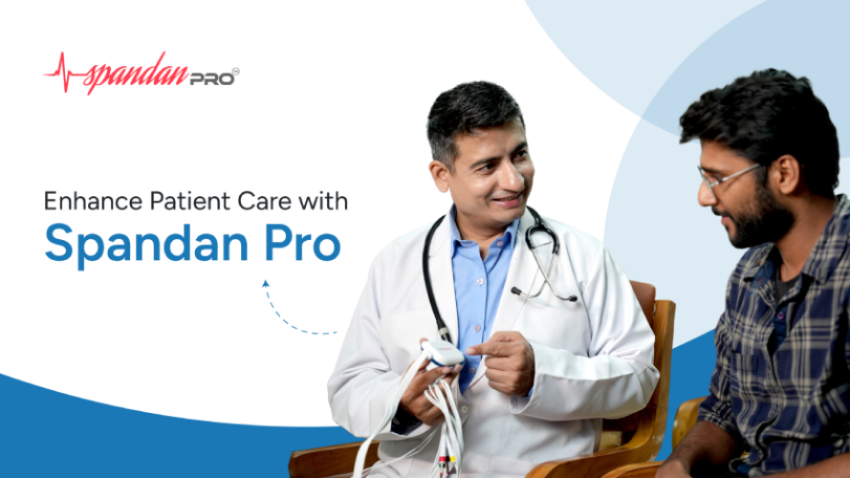
- Portable ECG machine: This ECG Machine is for home use that you can use to monitor your heart health instantly.
- ECG: A conventional ECG machine used in hospitals, healthcare professionals record your ECG and plan further treatment.
- Echocardiogram: It is a medical imaging test that uses ultrasound to examine the heart.
Detect Signs of Arrhythmia at Home

In today’s fast-paced world, getting access to hospital-based ECGs isn’t always easy. That’s where Spandan ECG comes in, it is a compact, Portable ECG Machine that you can carry in your bag or pocket.
What makes Spandan ECG special?
Spandan ECG Machine can detect 39+ heart abnormalities, including:
- Atrial Fibrillation (AFib)
- Bradycardia and Tachycardia
- Supraventricular Tachycardia
- Bundle Branch Blocks
- Ischemic changes (suggesting heart attack risk)
- QT interval abnormalities
With AI-powered analysis, Spandan provides instant results and an ECG report directly on your smartphone. This makes it ideal not just for doctors but also for individuals, health workers in remote areas, and elderly patients at home.
Its ability to screen for early signs of arrhythmias helps people act quickly, long before complications arise.
Who Should Monitor for Arrhythmia?
You don’t have to wait for symptoms to take care of your heart. You may benefit from regular ECG checks if you:
- Have a family history of heart disease
- Have conditions like hypertension, diabetes, or thyroid issues
- Experience palpitations, dizziness, or fainting
- Use medications that may affect heart rhythm
- Are recovering from a heart attack or stroke
In such cases, having a device like Spandan ECG at home can be a lifesaver.
Can Arrhythmias be Treated?
Yes. Treatment depends on the type and severity of the arrhythmia.
Treatment options include:
- Medications – To slow down or regulate the heartbeat.
- Lifestyle changes – Healthy diet, reducing alcohol/caffeine, and stress management.
- Ablation therapy – A procedure to destroy the faulty electrical tissue.
- Pacemakers or ICDs – Devices implanted to manage the heartbeat.
- Surgery – In rare, severe cases.
Your heart talks to you, it flutters, races, or slows down to signal when something’s not right. Arrhythmia might seem small, but ignoring the signs can lead to serious health issues. Thanks to modern tools like Spandan ECG Machine, recognizing these signals is now easier and quicker than ever before. Whether you’re a doctor, caregiver, or just someone looking after your own heart health, Spandan makes it simple to stay informed. If you or your loved one experiences any irregular heartbeat, don’t brush it off. Listen to your heart, literally. Early detection and timely care can make all the difference.



 Sign in with Google


Additional information required