




 Login/Register

Understanding Rehabilitation
 Oct 28, 2024
Understanding Rehabilitation
Rehabilitation, in a nutshell, means to give someone their life back. And what’s more profound than that?
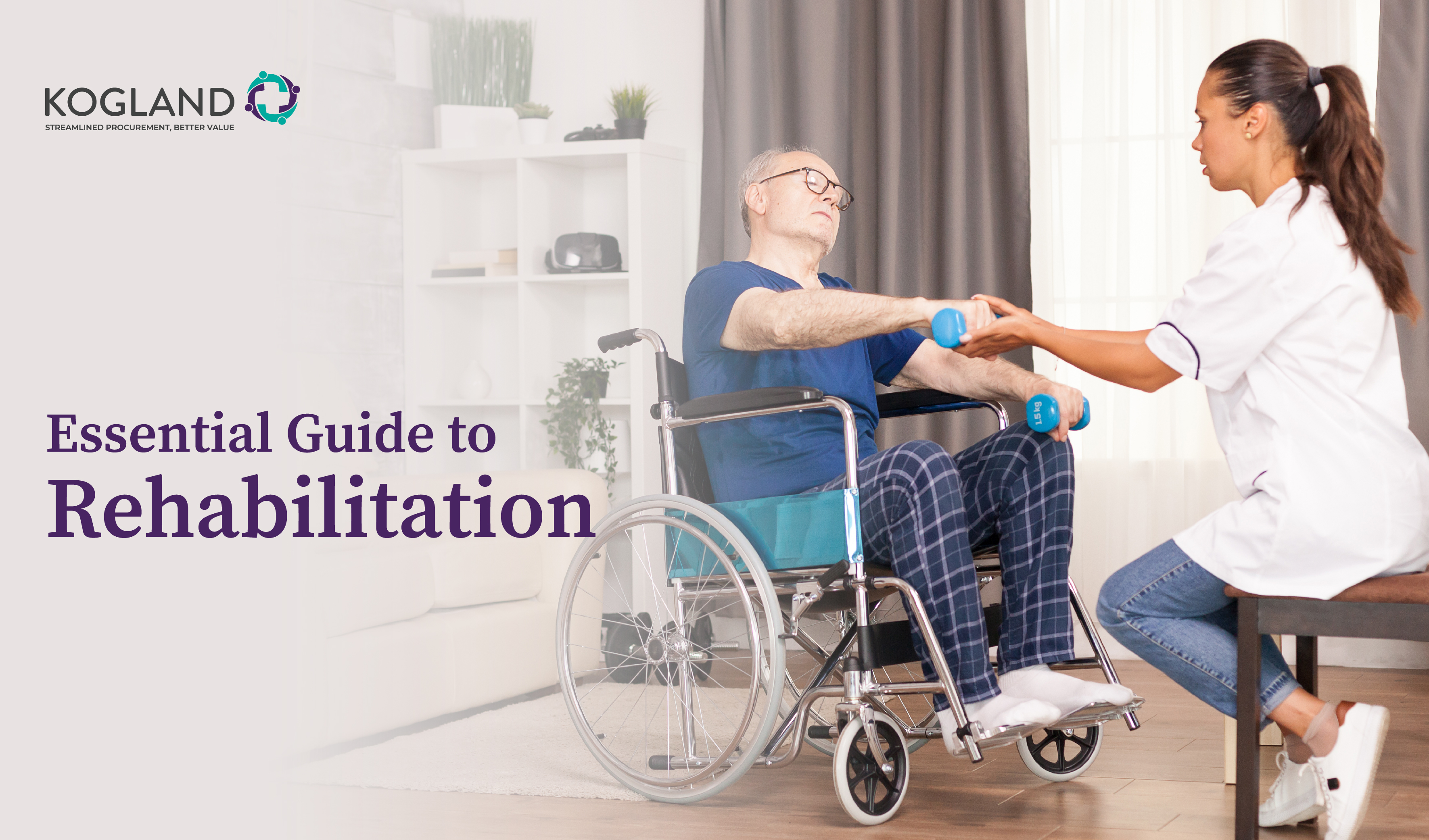
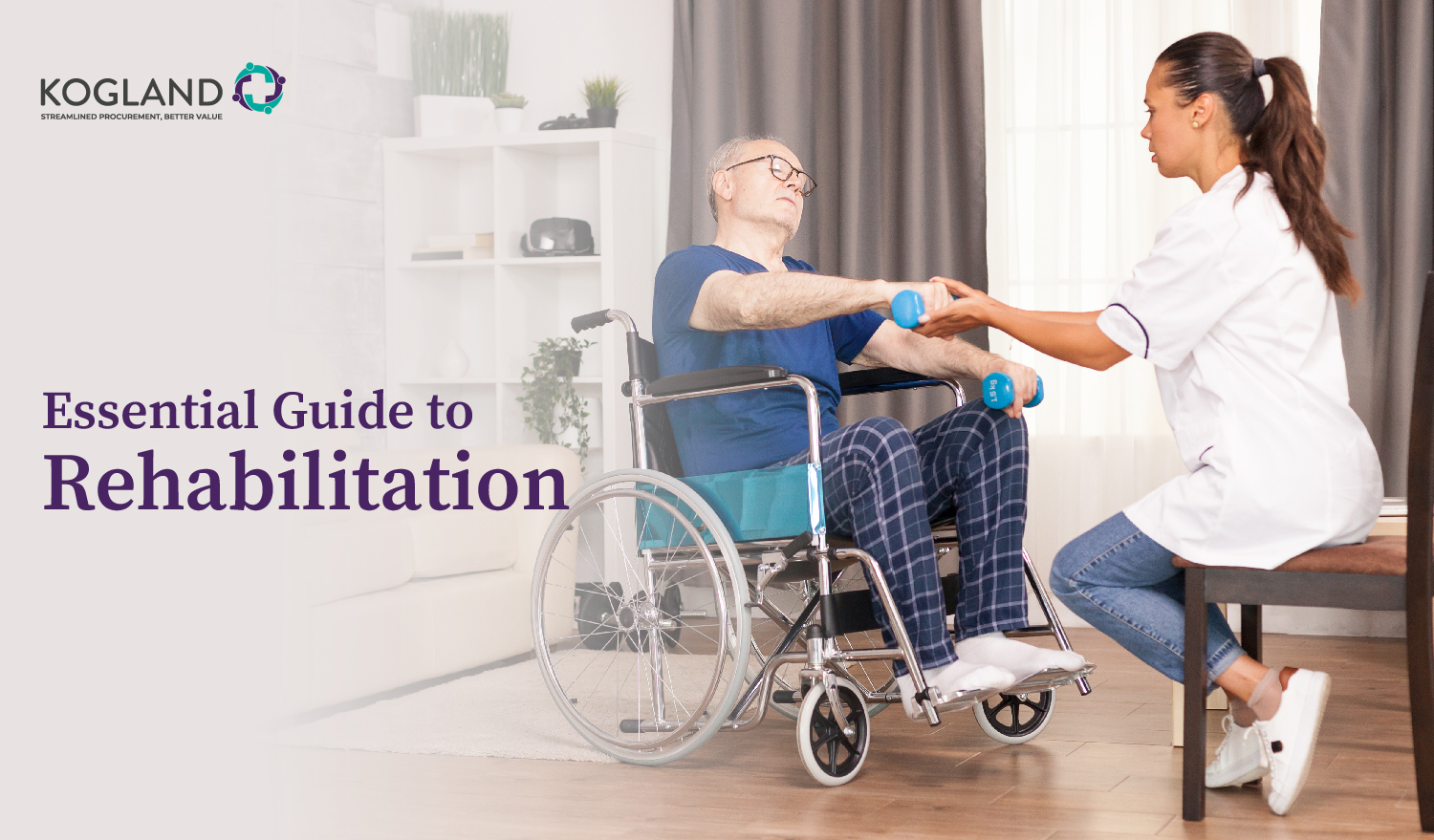
Rehabilitation is more than just a medical process; it is a journey of regaining life, dignity, and independence. Whether someone has suffered from an injury, illness, or disability, rehabilitation aims to restore their physical, mental, and cognitive functions to the fullest extent possible. It’s about giving individuals the tools they need to rebuild their lives and reclaim their roles in society. This profound impact is why National Rehabilitation Awareness Week, observed from September 16th to 22nd, is so important. It highlights the critical role rehabilitation plays in healthcare and the lives of countless individuals, celebrating the professionals and technologies that make this possible.
Advocacy and Support
And it is not just the responsibility of healthcare providers; it requires the involvement of the entire community. Advocacy plays a crucial role in raising awareness about the importance of rehabilitation services and ensuring that these services are accessible to everyone who needs them. Support from family, friends, and community members can significantly enhance the rehabilitation process, providing the emotional and practical assistance needed to navigate challenges.
Community engagement is equally vital. By involving the community in rehabilitation efforts, we can create a more inclusive environment where individuals undergoing rehabilitation are supported and empowered. Whether through local initiatives, volunteering, or simply offering a listening ear, community involvement can make a significant difference in the success of rehabilitation programs.
Innovative Technologies in Rehabilitation

Technological advancements have revolutionised the field of rehabilitation, offering new hope and opportunities for recovery. From robotic exoskeletons that help patients with spinal cord injuries walk again to virtual reality systems that assist stroke patients in relearning motor skills, innovative technologies are making rehabilitation more effective and accessible.
More commonly and closer to home, products like the Exercise Band are crucial in physical rehabilitation programs. These resistance bands are used to strengthen muscles, improve flexibility, and increase the range of motion in patients recovering from injuries or surgeries. Similarly, the TENS Machine (Transcutaneous Electrical Nerve Stimulation) is used for pain relief and muscle stimulation, making it an essential tool in physiotherapy.
Another area where technology is making strides is in tele-rehabilitation, which allows patients to receive rehabilitation services remotely. This is particularly beneficial for those in rural or under-served areas who may not have easy access to specialised rehabilitation centres. Tele-rehabilitation platforms enable continuous care, monitoring, and adjustments to treatment plans, ensuring that patients can progress effectively even from a distance.
Rehabilitation for Specific Conditions
Rehabilitation is a multifaceted field that addresses a wide range of specific conditions, each requiring a unique approach to help individuals regain their independence and improve their quality of life. Below are some key examples of rehabilitation tailored to specific needs:
- Stroke Rehabilitation: Stroke survivors often require extensive rehabilitation in a multi disciplinary approach to regain motor skills, speech, and cognitive functions. This may involve physical therapy to improve mobility, occupational therapy to relearn daily tasks, and speech therapy to recover communication skills.
- Orthopaedic Rehabilitation: Individuals recovering from surgeries like knee or hip replacements, or injuries like fractures, benefit from structured rehabilitation programs. These programs focus on restoring movement, reducing pain, and improving strength. Products like the Knee Brace provide support and stability during the recovery process.
- Cardiac Rehabilitation: Patients recovering from heart attacks or surgeries such as bypass operations need a comprehensive rehabilitation program that includes physical exercise, nutritional advice, and psychological support to prevent future cardiac events.
- Prosthetic Rehabilitation: For individuals who have undergone amputations, prosthetic rehabilitation is crucial in helping them adapt to and use their prosthetic limbs effectively. This process involves not only fitting the prosthetic but also extensive training to ensure the individual can regain as much function as possible. Healthcare providers play a critical role in prosthetic rehabilitation, from selecting the appropriate prosthetic device to guiding the patient through the adaptation process. Supportive devices can aid in mobility training, helping patients regain their confidence and independence as they learn to use their new limbs.
- Prosthodontic Rehabilitation: Prosthodontics rehabilitation involves the restoration of oral function through dental prosthetics like dentures, bridges, and implants for individuals who have lost teeth due to injury, disease, or decay. It restores the ability to chew, speak, and smile with confidence. Very few gifts in the world can match up to giving back to someone, the once lost joy of eating!
Rehabilitation is also crucial for individuals recovering from substance abuse and other psychological conditions. Drug rehabilitation programs are designed to help individuals overcome addiction, regain control over their lives, and reintegrate into society. These programs often include a combination of medical treatment, counselling, and support groups.
Each of these rehabilitation programs highlights the tailored approach required to address specific conditions effectively. Whether it’s helping someone walk again, regain the ability to chew, or overcome addiction, rehabilitation is about restoring the joy and functionality that illness or injury has taken away.
Challenges and Solutions in Rehabilitation

Despite its importance, rehabilitation faces several challenges, including accessibility, affordability, and awareness. In many parts of India, access to quality rehabilitation services is limited, particularly in rural areas. Additionally, the cost of rehabilitation can be prohibitive for many families, and there is often a lack of awareness about the available services and their benefits.
Solutions to these challenges include increasing government and private sector investment in rehabilitation services, expanding insurance coverage for rehabilitation, and conducting awareness campaigns to educate the public about the importance of rehabilitation. Training more rehabilitation professionals and integrating rehabilitation services into primary healthcare can also help bridge the gap between urban and rural areas.
Another critical aspect is the need for patient-centred care, where rehabilitation programs are designed around the individual needs and circumstances of the patient. This approach ensures that the rehabilitation process is both effective and compassionate.
Rehabilitation in Ageing Populations
As the population ages, the demand for rehabilitation services is expected to grow. Older adults often face a range of health issues that can affect their mobility, independence, and quality of life. Rehabilitation can help manage chronic conditions, recover from surgeries, and maintain functional independence.
For ageing populations, rehabilitation is not just about recovery; it’s about maintaining dignity and quality of life. Simple aids like the Walker can significantly enhance mobility for older adults, allowing them to move around more freely and safely. Additionally, products like Geriatric Chair Cushions can help prevent pressure sores in individuals with limited mobility, making everyday life more comfortable.
The National Rehabilitation Awareness Week serves as a reminder of the critical role rehabilitation plays in healthcare. Whether through innovative technologies, community support, or tailored rehabilitation programs, we have the tools and knowledge to help individuals regain their independence and improve their quality of life. As we look to the future, it is essential that we continue to advocate for accessible and effective rehabilitation services, ensuring that everyone, regardless of their circumstances, has the opportunity to rebuild their lives. By supporting rehabilitation efforts, we not only help individuals recover but also strengthen our communities as a whole.

 Sign in with Google


Additional information required