





 Login/Register

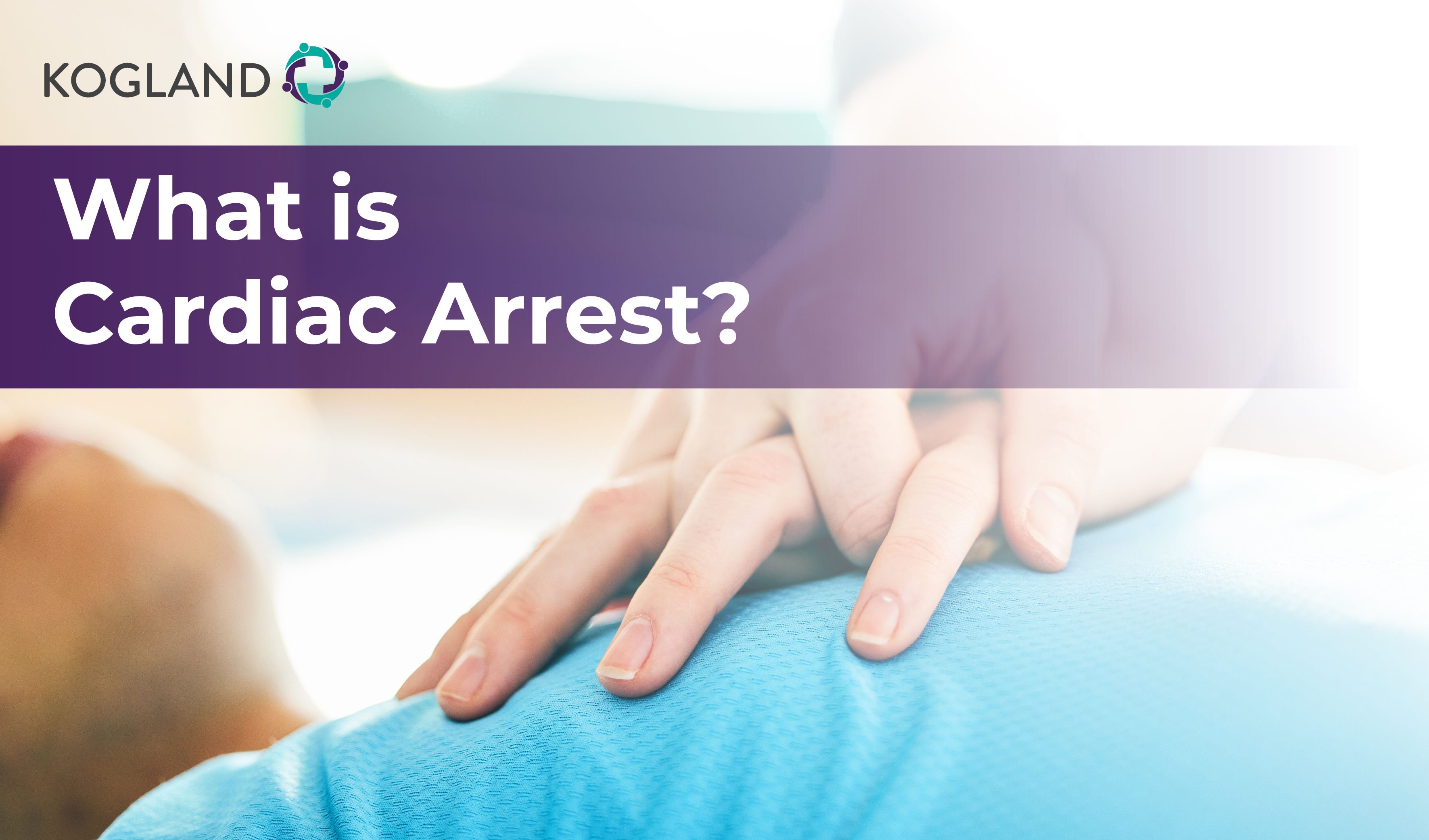
What is a Cardiac Arrest?
 May 13, 2024
Imagine a typical day turning upside down in a heartbeat. One moment, you're sharing a meal with your family, and the next, a loved one collapses without warning. This is the harrowing reality of a cardiac arrest – an abrupt and often unforeseen event that can shake the very foundations of a family's world. In a cardiac arrest, the heart suddenly stops beating, disrupting the flow of blood to vital organs and causing the body to shut down. It's a medical emergency that doesn’t just leave its mark on the body but ripples through lives, livelihoods, and the emotional well-being of those affected.
Now before we unravel the complexities of cardiac arrest, let's pause for a moment and address a widespread misunderstanding. Many of us use 'cardiac arrest' and 'heart attack' interchangeably, but they are not the same. While both are serious heart-related emergencies, they differ fundamentally in their causes and manifestations. Understanding these differences is not just a matter of medical semantics – it's crucial for recognizing symptoms and saving lives.
A heart attack, unlike a cardiac arrest, is a circulatory problem or a plumbing issue in layman’s terms. It happens when the blood flow to a part of the heart is blocked, usually by a build-up of fat, cholesterol, and other substances, which form plaque in the coronary arteries preventing oxygen-rich blood from reaching a section of the heart. If this blockage isn't quickly resolved, the affected heart muscle begins to die. The heart doesn't stop beating during a heart attack, but the blockage can cause severe damage to the heart muscle, affecting its ability to function effectively.
A cardiac arrest, on the other hand, is more of an electrical malfunction, as opposed to the plumbing reference mentioned above. Unlike a heart attack, it’s not about blockages but about the heart's rhythm going haywire causing the heart to either stop beating or beat so irregularly and quickly that it can't effectively pump blood to the rest of the body. In cardiac arrest, since the heart stops, blood flow to the brain, lungs, and other organs is halted, leading to loss of consciousness and no pulse.
While they are distinct, heart attacks can sometimes lead to a cardiac arrest. A heart attack is a “circulation” problem, whereas cardiac arrest is an “electrical” problem. Understanding this distinction is vital because the immediate response and treatment for each differ significantly. Quick action can save lives, but the action you take depends on your understanding of what you're dealing with. In this article, let’s try to understand cardiac arrests a bit more.

Immediate Response and Medical Treatment: Navigating a Cardiac Arrest
When a cardiac arrest strikes, time is of the essence. The first few minutes are critical, and what happens in these moments can be a matter of life and death. Let's break down the immediate steps and the medical treatment that follows.
First Response: The Crucial Minutes
-
- Recognize the Signs: A person experiencing a cardiac arrest will suddenly lose consciousness, stop breathing, or not breathe normally (only gasping). Look, listen, and feel for normal breathing (not just occasional gasps) for no more than 10 seconds. Also, check for a pulse simultaneously if you are trained to do so. In a cardiac arrest, the person will not be breathing normally and may not have a pulse. They won't respond when you talk to them or shake them.
- Call for Help: Immediately dial emergency services. Quick professional medical assistance is crucial.
- CPR – The Lifesaver: If you're trained in cardiopulmonary resuscitation (CPR), begin immediately. If not, the emergency operator can guide you. Push hard and fast in the centre of the chest at a rate of 100-120 compressions per minute. The goal is to mimic the heart's pumping and keep blood flowing to vital organs.
- Use an Automated External Defibrillator (AED): Most public places like shopping malls, bus stations, railway stations and airports are equipped with AEDs for emergency use. If there’s an AED nearby, use it as soon as possible. The device will guide you with voice instructions. AEDs are designed to be used by anyone, regardless of training. Make sure that nobody else is in physical contact with the patient while you use them. AEDs detect irregular heart rhythms and shock the heart back into normal rhythm. That AEDs can restart a heart that has stopped beating is a popular misconception.
Medical Treatment Post-Rescue
Once emergency medical services take over, the next phase of treatment begins. This includes:
- Advanced Cardiac Life Support (ACLS): Paramedics may administer medications, provide advanced airway management, and use a defibrillator for further attempts to restore a normal heart rhythm.
- Post-Resuscitation Care: Once the person is in the hospital, they will receive comprehensive care. This includes identifying the cause of the cardiac arrest, treating any underlying conditions, and preventing future occurrences.
- Ongoing Monitoring and Rehabilitation: Patients will be closely monitored. Depending on the cause and severity, they might undergo heart rehabilitation, a tailored program designed to strengthen the heart and improve overall health.
Remember that, while medical professionals play a crucial role in treating cardiac arrest, the actions taken by bystanders in the first few minutes are equally important. Knowing how to respond can turn you into a lifesaver!
Preventing Cardiac Arrests: Proactive Measures for Heart Health
While it's true that cardiac arrests can occur suddenly and without warning, there are numerous proactive steps one can take to minimise the risk. Understanding and addressing the risk factors is key to prevention. Here’s a comprehensive guide on how to protect yourself and your loved ones from the threat of a cardiac arrest.
- Heart-Healthy Lifestyle Choices such as:
- Diet: Adopt a heart-healthy diet rich in fruits, vegetables, lean proteins, and whole grains. Reduce intake of saturated fats, trans fats, cholesterol, salt, and sugars.
- Exercise: Regular physical activity helps maintain a healthy weight and reduces the risk of heart disease. Aim for at least 150 minutes of moderate aerobic exercise or 75 minutes of vigorous exercise per week.
- Weight Management: Being overweight increases the risk of cardiac arrest. Work towards maintaining a healthy weight through diet and exercise.
- Quit Smoking and Limit Alcohol: Smoking and excessive alcohol consumption are significant risk factors for heart disease. Quitting smoking and limiting alcohol intake can markedly improve heart health.
- Manage Underlying Health Conditions like:
- Blood Pressure: High blood pressure increases the strain on your heart. Regularly monitor your blood pressure and follow medical advice to keep it under control.
- Cholesterol Levels: High levels of bad cholesterol (LDL) can lead to plaque build-up in arteries. Regularly check cholesterol levels and manage them with diet, exercise, and medication if needed.
- Diabetes: Poorly controlled diabetes can damage blood vessels and the nerves that control your heart. Managing your blood sugar levels is crucial.
- Regular Health Screenings:
Undergo regular health screenings for heart disease, especially if you have a family history of heart-related problems. These screenings can help identify issues before they become severe.
- Stress Management:
Chronic stress may contribute to heart problems. Techniques such as meditation, deep breathing exercises, and yoga can help manage stress.
- Learn CPR:
While not a preventive measure for oneself, learning CPR can be life-saving for others experiencing a cardiac arrest.
- Medication Adherence:
If you’re prescribed heart medications, take them exactly as directed. Medication non-adherence can worsen heart conditions and increase the risk of cardiac arrest.
- Stay Informed:
Educate yourself about heart conditions, symptoms of cardiac emergencies, and the latest in heart health. Being informed empowers you to take the right actions.

Recent studies have brought to light the fact that the quality of the intrauterine environment is a major determinant of the possibility of future heart diseases for the embryo(the baby). Adequate nutrition and oxygen supply is vital for proper development of the baby’s heart during pregnancy. Hence, a mother who is malnourished, stressed or indulging in risky habits during pregnancy is likely to give birth to a child who is at a greater risk of suffering an episode of cardiac arrest in the future. Therefore, it is imperative that all expectant parents make sure that the mother is healthy, nourished and stress free during her pregnancy and undergo regular OB-GYN check ups.
Remember, while some factors like genetics are beyond our control, making these lifestyle changes can significantly reduce the risk of cardiac arrest. Remember that taking proactive steps towards having a healthy heart begins from the womb itself and from theron living a life of balance and informed choices.



 Sign in with Google


Additional information required