





 Login/Register

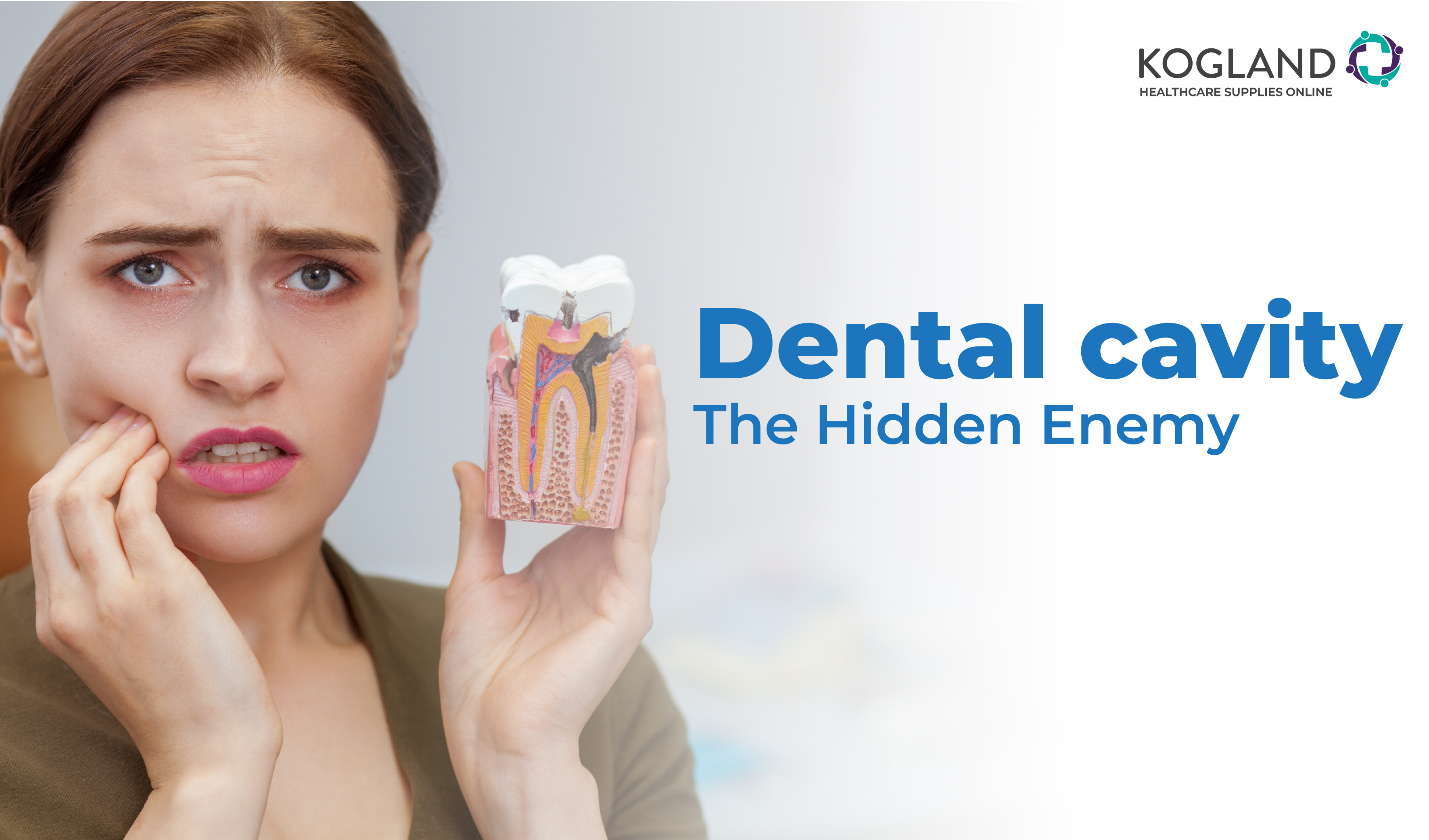
Dental Cavity : The Hidden Enemy
 Jun 10, 2024
Imagine your mouth as a bustling city where teeth are the infrastructure, each playing its part to keep the city functioning. Lurking in the shadows of this bustling metropolis is a sneaky troublemaker: the dental cavity. The kind you might not notice at first, hiding out in the nooks and crannies, biding its time and plotting. Just like the origin story of any super villain, dental cavities exist, silently plotting against the peace of your oral health.
Most of us might not give much thought to this hidden enemy until it suddenly leaps out of the shadows, causing pain and havoc, and by then, it’s already a bit too late. The thing about dental cavities is that they're a lot more common than we might want to believe. They sneak up on us, making their moves in secret, and before we know it, they're causing trouble, turning every sip of a cold drink or bite of a sweet treat into a painful ordeal.
Let’s turn the spotlight on these stealthy invaders. It's not just about scaring you into brushing your teeth more often (though that's not a bad idea); it's about understanding the enemy. Knowledge is power, and in the battle for oral health, it's our best weapon. So, let's dive into the world of dental cavities, uncover their secrets, and learn how to keep them from turning our mouths into their playground.
Dental Cavities and Oral Health
Let us connect the dots between these hidden troublemakers and the overall state of our oral cityscape. You see, dental cavities are not just tiny inconveniences; they're major players in the story of our oral health. Think of them as the domino that, once tipped, can set off a chain reaction affecting the entire ecosystem of your mouth.
The Domino Effect
Imagine each tooth as a vital building block in the architecture of your mouth. When cavities sneak in and start their dirty work, it's like having termites in the foundation. At first, it might not seem like a big deal—a little hole here, a bit of decay there. But just as a small termite problem can lead to a house collapsing, a small cavity can lead to big problems if left unchecked.
The Cavity Cascade
Cavities begin with simple enamel erosion, but they don't stop there. With poor oral hygiene, cavities dive deeper, reaching the inner layers of the tooth, where they can cause pain, infection, and even tooth loss disrupting your mouth from working in harmony.
The Ripple Effect on Oral Health
Cavities can be the opening act for more serious oral health issues, like gum disease, which can threaten the very foundations of your teeth. Plus, let's not forget the impact on your day-to-day life. A cavity can transform eating, drinking, and even smiling into painful endeavours, putting a damper on your enjoyment of life's simple pleasures.
Strengthening the Defences
The good news? This is a battle we can win. With proper care, smart habits, and regular check-ups, we can fortify our mouth against the cavity menace. It's about more than just brushing and flossing; it's about understanding the enemy and taking proactive steps to protect our oral health.
Understanding the enemy : Risk factors!
As we navigate through the bustling streets of our oral metropolis, it's crucial to recognize the rogue elements that make it more susceptible to the cavity's stealthy advances. These culprits, or risk factors, can turn our mouth into a playground for dental decay if we're not vigilant. Let’s take a look
The Sweet Tooth Bandits
The first among the perps are the sugary foods and drinks that we often relish. Their sugars are like a feast for the bacteria in our mouth, producing acid as a byproduct. This acid is the primary tool used by cavities to breach our dental defences, eroding enamel and creating their hideouts. Frequent snacking or sipping on sugary drinks throughout the day keeps the acid levels in our mouth consistently high, providing a continuous attack on our tooth enamel.
The Brush and Floss Faux Pas
Neglecting proper brushing and flossing is akin to leaving the city gates wide open for invaders. Without it, plaque—a sticky, bacteria-filled film—builds up and cavities find ample opportunities to settle in and expand their territory.
Dry Mouth Desert
Saliva is our natural mouthguard, constantly washing away food particles and buffering acids. A dry mouth, however, lacks this essential protection, making it a desert where cavities thrive. Whether due to medication, certain health conditions, or simply not drinking enough water, a dry mouth is a risk factor that can't be ignored.
The Genetic Map
Sometimes, the susceptibility to cavities can be part of the mouth’s blueprint, inherited from our ancestors. This genetic predisposition can influence the strength of our enamel, the composition of our saliva, or even the layout of our teeth and gums, making some people more cavity-prone than others.
Age: The Double-Edged Sword
Both the young and the elderly are at heightened risk. In children, the enamel is still developing and more vulnerable to attack. In older adults, a lifetime of wear and tear, along with issues like gum recession exposing more of the tooth to harm, can increase cavity risks.
The Fillings Frontier
Existing dental work, like fillings, can sometimes become the weak links in our defence. Over time, they can wear down or pull away from the tooth, creating tiny crevices where bacteria can gather and form new cavities.
Understanding these risk factors is like having a map of the enemy's potential attack routes. By staying vigilant and addressing these vulnerabilities, we can safeguard our oral health against cavities.
Medical Conditions and Dental Cavities
It is also clear that the battle against dental cavities is not confined to the oral realm alone. Certain medical conditions can act as silent allies to the cavity culprits, weakening our defences from within and facilitating their covert operations. Understanding these connections allows us to fortify our defences with greater precision.
Diabetes: The Sugar Saboteur
Diabetes, particularly when uncontrolled, plays directly into the hands of cavities. High blood sugar levels can lead to increased sugar in saliva, providing a feast for the bacteria that cause cavities. Moreover, diabetes can diminish the body's ability to fight off infections, making the gums more vulnerable to disease, a condition that cavities can exploit.
Dry Mouth: The Desert Within
Certain conditions, such as Sjögren's syndrome, or medications for a plethora of ailments, can reduce saliva production, leading to dry mouth. This reduction in saliva—a natural cleanser of the mouth—creates an environment where cavity-causing bacteria can thrive unchecked.
Acid Reflux: The Erosive Enemy
Gastroesophageal reflux disease (GERD) can cause stomach acid to flow back into the mouth, eroding tooth enamel and setting the stage for cavities. This acid attack weakens the teeth's natural defences, making them more susceptible to decay.
Eating Disorders: The Nutritional Nemesis
Eating disorders like anorexia and bulimia not only disrupt the body's nutritional balance but can also expose the mouth to harmful acids during episodes of purging. This exposure can severely damage tooth enamel, leaving the teeth defenceless against cavities.
Immune System Disorders
Conditions that compromise the immune system, such as HIV/AIDS, can decrease the body's natural ability to fight off oral health issues, including cavities. With weakened defences, the mouth becomes a battleground where cavities can gain a foothold with greater ease.
The link between medical conditions and dental cavities reminds us of the importance of holistic health management. Addressing these conditions and their treatments in tandem with oral health care ensures the integrity of our mouth along with overall health.
Now let's explore the proactive strategies for the prevention and management of dental cavities, ensuring the health and prosperity of our oral metropolis.
Fortifying the Defences: Prevention Tactics
-
Fluoride: The Shielding Agent
Incorporating fluoride into our daily regimen is like applying a powerful protective varnish to our buildings. Found in toothpaste, certain mouth rinses, and even our water supply, fluoride helps to rebuild weakened tooth enamel and reverse early signs of tooth decay.
-
Diet: The Supply Lines
Limiting sugary and acidic foods minimises the resources available to cavity-causing bacteria, cutting off their supply lines. It also keeps our mouth well supplied with the nutrients it needs to resist invasion.
-
Oral Hygiene: The Daily Patrol
Regular brushing and flossing are the daily patrols that keep the streets of our oral city clean and under surveillance. By removing food particles and plaque, we can significantly reduce the risk of cavities.
-
Regular Checkups: The Strategic Defence Meetings
Visiting our dental care professionals for regular checkups and cleanings allow for the early detection of potential threats and the reinforcement of vulnerable areas.
Healthy lifestyle habits
Tobacco use, whether smoking or chewing, is like setting fire to our own walls. Apart from making it easier for cavities to spread, they also weaken our body’s immune system. Staying well hydrated on the other hand, is crucial for maintaining a robust defence system. Compulsive habits like teeth grinding (bruxism) can undermine our defences as well by wearing down the enamel and creating weak spots in our teeth.
Even with the best defences, the occasional breach can occur. When cavities manage to infiltrate, swift action can prevent them from causing further damage:
Counterattack: Managing Cavities and Restoring Teeth
Fillings: Repairing the Breaches
When a cavity is detected, a filling can repair the breach. This procedure involves removing the decayed portion of the tooth and filling it with a durable material, restoring the tooth's integrity. The most commonly used materials were Silver Amalgam, Gold and Glass Ionomer Cements. However, most dental practices nowadays use either packed or flowable Composite Resins for all their tooth restoration needs. Although it is highly technique sensitive and requires an expert practitioner who is deft with fingers, it is preferred for its excellent aesthetics and durability.

Inlays and Onlays: Precision Reinforcements
When the damage is too extensive for a simple filling but not severe enough to require a crown, inlays and onlays offer a middle ground. Made from porcelain, gold, or composite resin, inlays and onlays are custom-fitted to the cavity and bonded to the tooth. Inlays fit within the biting surface of the tooth, while onlays covers one or more cusps of the tooth. These options are known for their durability and are often used to strengthen a tooth, restore its shape, and prevent further decay.
Crowns: Reinforcing the Structures
For more extensive decay, a crown may be necessary to cover and protect the tooth. Think of it as adding a reinforced roof to a weakened building, providing strength and protection against future attacks. Crowns can be made from various materials, including metal, porcelain fused to metal, all resin, or all ceramic, each offering different benefits in terms of durability, appearance, and cost.
Root Canal Therapy: Saving the Tooth from Within
When decay reaches the tooth's inner pulp, causing infection or abscess, root canal therapy becomes necessary.
Dental Implants: Replacing the Irreplaceable
In situations where a tooth is too damaged to be saved, dental implants provide a long-term replacement option. An implant consists of a titanium post surgically inserted into the jawbone to serve as a root, topped with a crown that mimics the appearance of a natural tooth. Implants offer stability and strength, preventing the bone loss and shifting of teeth that can occur with tooth loss.
Dentures and Bridges: Bridging the Gaps
For multiple missing teeth, dentures (removable) or bridges (fixed) can be used to restore oral functionality and appearance. Bridges rely on adjacent teeth as anchors for the artificial teeth that span the gap, while dentures can replace a full arch of teeth.
Through diligent prevention and timely management, we can safeguard our oral metropolis against the threat of cavities, ensuring its inhabitants remain healthy and vibrant. By understanding the enemy and employing these strategies, we can enjoy a cavity-free existence, preserving the harmony and health of our oral environment.




 Sign in with Google


Additional information required