





 Login/Register

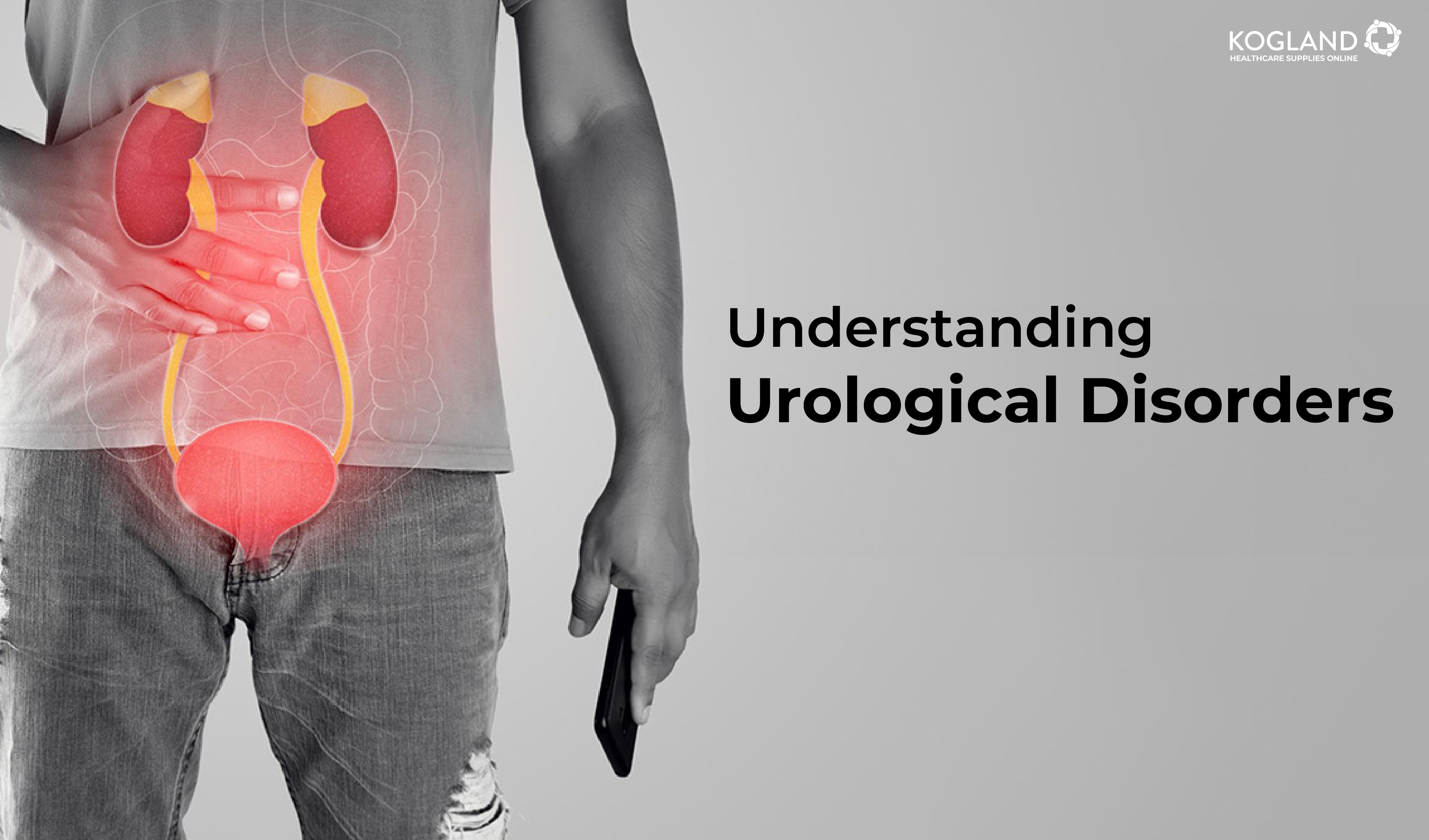
Understanding Urological Disorders
 Oct 4, 2024
Understanding the Renal System
If the water filter in your house stops working, you wouldn’t dare to drink a sip from it until it is fixed because you know what it could do to your body. Did you know that our bloodstream is also dependent on a similar filtration system albeit a very sophisticated one designed by nature? The kidneys, bladder, and the entire urological system is similar to a water treatment plant, ensuring every drop of blood is clean and every bit of waste and toxin that gets into our system through diet and other consumption habits is efficiently disposed of. However, even the most advanced systems can experience a hiccup or two. When a minor glitch in this well-oiled machine occurs, it can send ripples throughout your body affecting your entire health and well-being.
The urological system is a symphony of functions that, when out of tune, can lead to a cacophony of health issues. From the discomfort of a urinary tract infection (UTI) to the excruciating pain of kidney stones, and the impact of conditions like benign prostatic hyperplasia (BPH) or prostate cancer, urological disorders are more common than you might think. But don't worry, we've got the lowdown on these conditions, their symptoms, causes, and most importantly, the solutions.
Whether you're a healthcare professional looking to expand your knowledge or someone simply seeking to understand what's going on 'down there,' this guide is for you. Let's explore the most prevalent urological disorders so you can stay informed and ahead of the game.
Understanding Urological Disorders

Urinary Tract Infections (UTIs)
Causes:
UTIs are often caused by bacteria entering the urinary tract either through the urethra or from within the body and then multiplying in the bladder. Common culprits include E. coli, which is usually found in the gastrointestinal tract.
Human factors that contribute to UTIs include:
- Poor hygiene habits, such as wiping from back to front after using the toilet, which can transfer bacteria from the anus to the urethra.
- Sexual activity, which can introduce bacteria into the urinary tract.
- Holding urine for long periods, which allows bacteria to grow.
- Not drinking enough fluids, which leads to infrequent urination and less frequent flushing of bacteria from the urinary tract.
- Use of certain types of birth control, such as diaphragms or spermicides, which can alter the balance of bacteria.
- Nosocomial infections from improper handling of catheters or unchanged urine collection bags, making the urinary tract more susceptible to infection.
Symptoms:
- A strong, persistent urge to urinate
- A burning sensation when urinating
- Passing frequent, small amounts of urine
- Cloudy or strong-smelling urine
- Pelvic pain, especially in women
Treatment Options:
Antibiotics are the standard treatment for UTIs. Depending on the severity, healthcare professionals might recommend a short or long course of antibiotics. In severe cases, hospitalisation may be required for intravenous antibiotics.
Preventive Measures:
- Drinking plenty of fluids, especially water
- Wiping from front to back after using the toilet
- Urinating soon after intercourse
- Avoiding irritating feminine products
- Proper catheter care and regular changing of urine collection bags, using sterile gloves and maintaining good hygiene practices
Kidney Stones
Causes:
Kidney stones form when minerals in urine become concentrated and crystallise. Contributing factors include:
- Dehydration, which leads to higher concentrations of substances that form stones.
- Diets high in salt, protein, and sugar can increase the risk of some types of kidney stones.
- Obesity and weight gain.
- Certain medical conditions, such as hyperparathyroidism or recurrent UTIs.
Symptoms:
- Severe pain in the side and back, below the ribs
- Pain that radiates to the lower abdomen and groin
- Pain that comes in waves and fluctuates in intensity
- Painful urination
- Pink, red, or brown urine
Treatment Options:
Small stones can be passed by drinking water and taking pain relievers. Larger stones might require medical procedures such as extracorporeal shock wave lithotripsy (ESWL), ureteroscopy, or surgery.
Preventive Measures:
- Staying hydrated
- Consuming a diet low in salt and protein
- Avoiding oxalate-rich foods
Benign Prostatic Hyperplasia (BPH)
Causes:
BPH, or prostate gland enlargement, is a common condition in men, the risk of which increases with age. Human contributing factors include:
- Family history of prostate problems.
- Lifestyle factors such as obesity and lack of exercise.
- Hormonal changes related to ageing.
Symptoms:
- Frequent or urgent need to urinate
- Increased frequency of urination at night (nocturia)
- Difficulty starting urination
- Weak urine stream or a stream that stops and starts
- Inability to completely empty the bladder
Treatment Options:
Medications such as alpha-blockers and 5-alpha reductase inhibitors can help. In more severe cases, surgical options like transurethral resection of the prostate (TURP) may be necessary.
Preventive Measures:
- Regular check-ups
- Healthy diet and exercise
- Reducing alcohol and caffeine intake
Prostate Cancer
Causes:
The exact cause of prostate cancer is unknown, but factors like age (risk increases significantly after 50), family history, and genetics play a significant role. Lifestyle factors such as diet and physical inactivity plays a contributing role.
Symptoms:
- Trouble urinating
- Decreased force in the stream of urine
- Blood in the urine
- Blood in the semen
- Bone pain
- Losing weight without trying
Treatment Options:
Treatment varies from active surveillance for slow-growing cancers to surgery, radiation therapy, hormone therapy, and chemotherapy for more aggressive cancers.
Preventive Measures:
- Regular screening, especially if you have risk factors
- Maintaining a healthy diet and weight
- Staying physically active
Overactive Bladder (OAB)
Causes:
OAB can be caused by conditions such as diabetes, infections, neurological disorders, or an enlarged prostate. Contributing factors include:
- Nerve damage from conditions like multiple sclerosis or Parkinson's disease.
- Bladder abnormalities such as tumours or bladder stones.
- High fluid intake, especially of caffeine and alcohol.
- Medications that increase urine production.
Symptoms:
- Sudden urge to urinate that’s difficult to control
- Urge incontinence – involuntary loss of urine
- Frequent urination (more than eight times in 24 hours)
- Waking up more than twice at night to urinate (nocturia)
Treatment Options:
Behavioural therapies, bladder training, pelvic floor exercises, medications, and in severe cases, nerve stimulation or surgery. In the meantime, adult diapers could help one cope with the condition.
Preventive Measures:
- Bladder training
- Kegel exercises
- Limiting caffeine and alcohol
Erectile Dysfunction (ED)
Causes:
ED can result from physical conditions like heart disease, high blood pressure, high cholesterol, diabetes, obesity, and low testosterone. Psychological factors such as stress, anxiety, and depression also contribute. Certain prescription medications also lead to ED.
Symptoms:
- Trouble getting an erection
- Trouble keeping an erection
- Reduced sexual desire
Treatment Options:
Treatment options include medications like sildenafil (Viagra), lifestyle changes, psychological counselling, and devices such as vacuum erection devices (VEDs). In some cases, surgical options might be considered.
Important Note:*
ED is a medical condition and not a reflection of one’s masculinity. The harm that arises from refusing to talk about it or seek medical help can have a crippling impact on one’s psychological well being and life in general. Do not hesitate to seek help.
General Tips and Preventive Measures for Urological Disorders:

- Maintain a healthy, balanced diet
- Stay hydrated
- Exercise regularly
- Avoid smoking and limit alcohol consumption
- Practise good hygiene
- Regular medical check-ups and screenings
By understanding these common urological conditions, you can better manage your health or the health of your patients. Remember, early detection and proactive management are key to effectively handling these conditions. Stay informed, stay healthy!




 Sign in with Google


Additional information required